An urban game in the fabric of Rotterdam
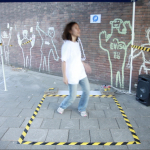
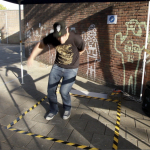
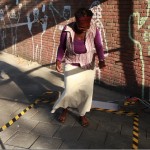
Go For It is a multiplayer, multi location game played on the street. One plays by stepping while listening to music via cellphone: a play with beats, identity and sense of place. Go For It is played in public, in a public space and revolves around a series of ‘nodes’.
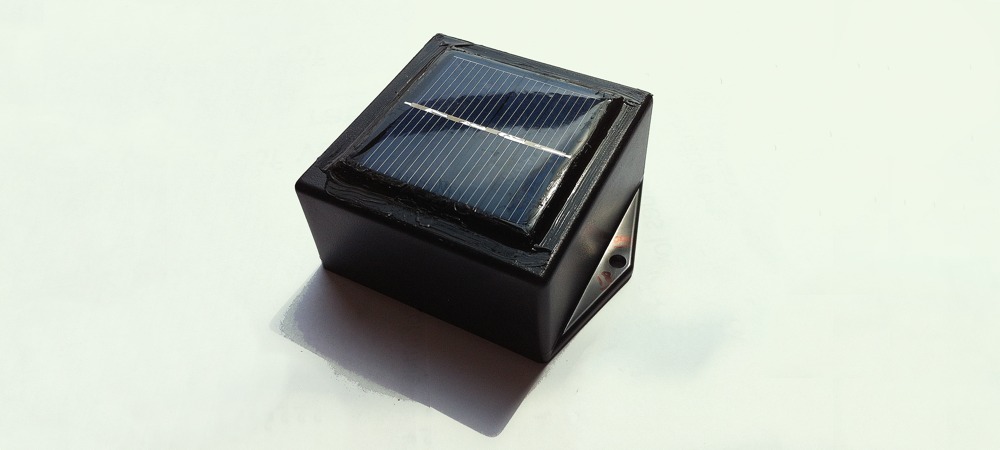
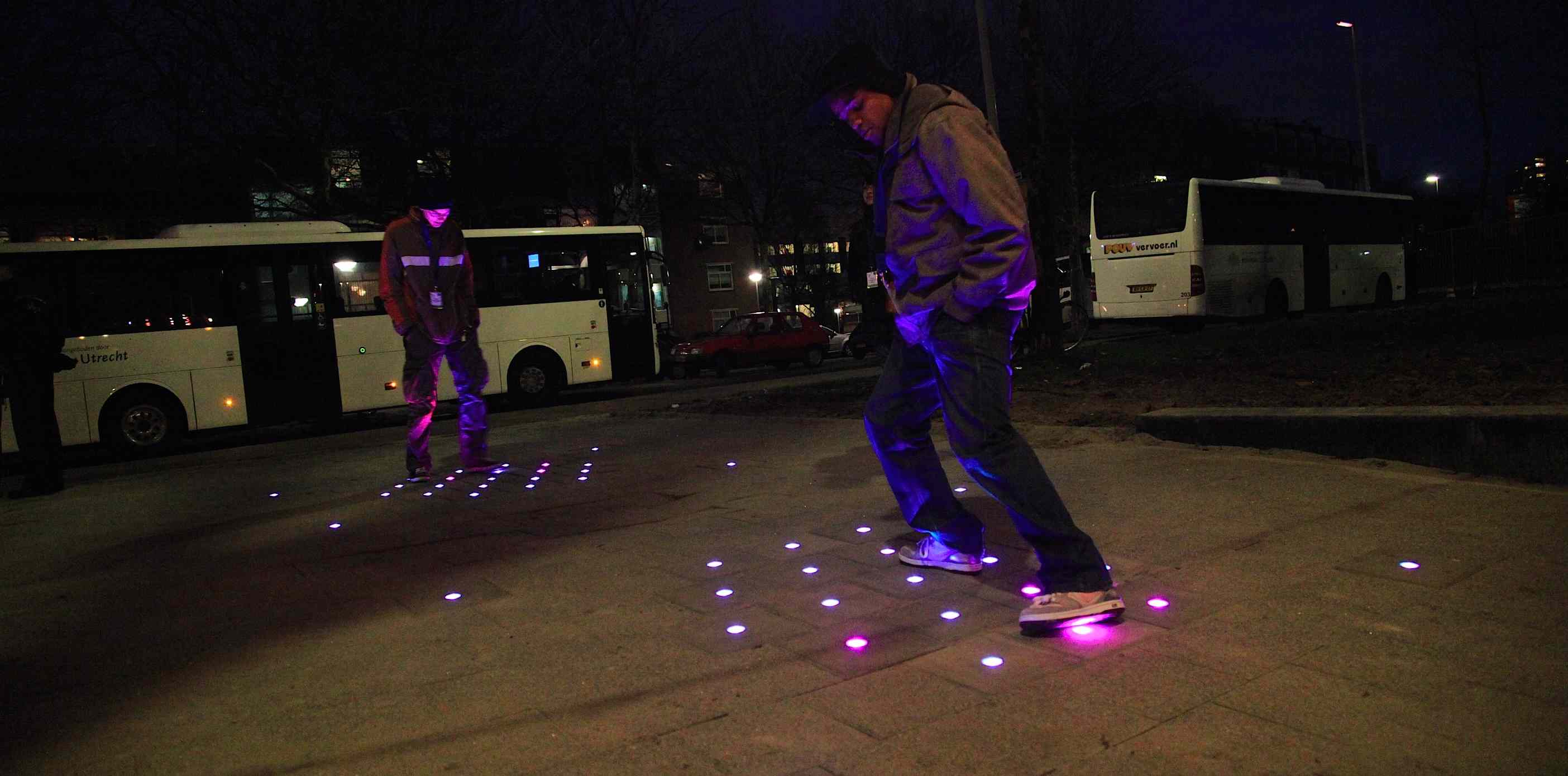
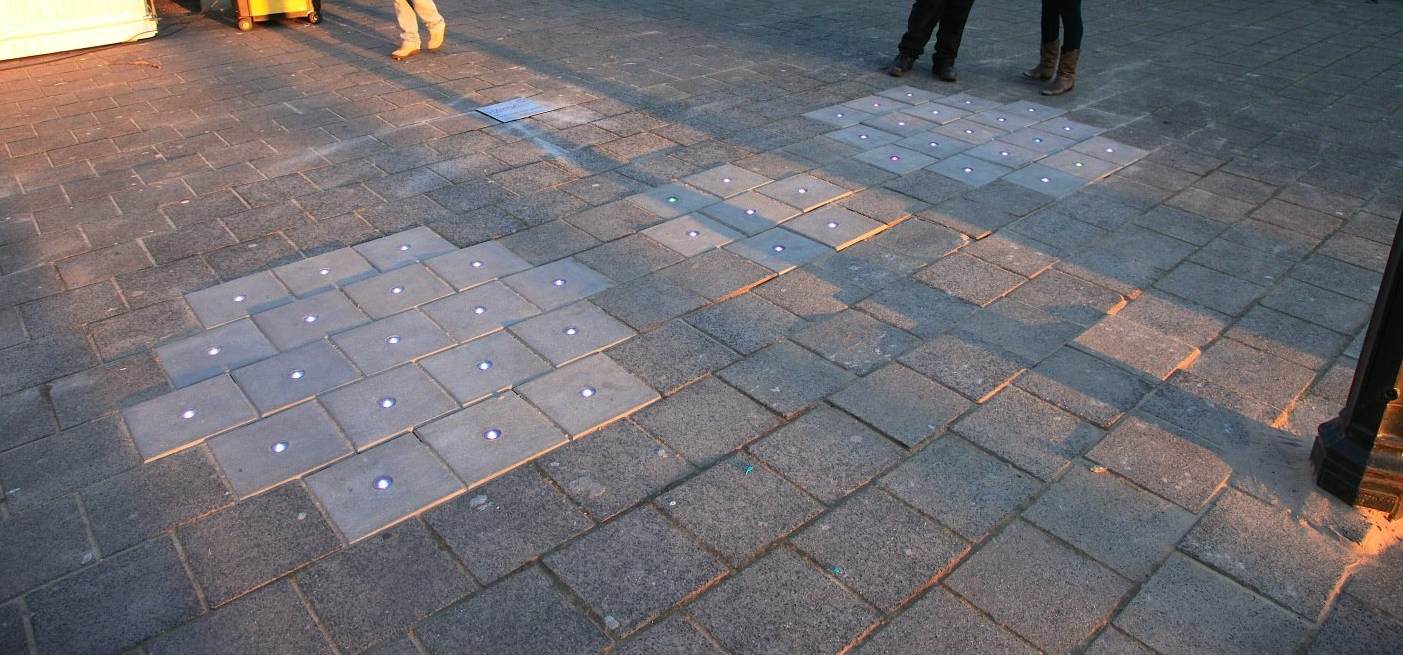
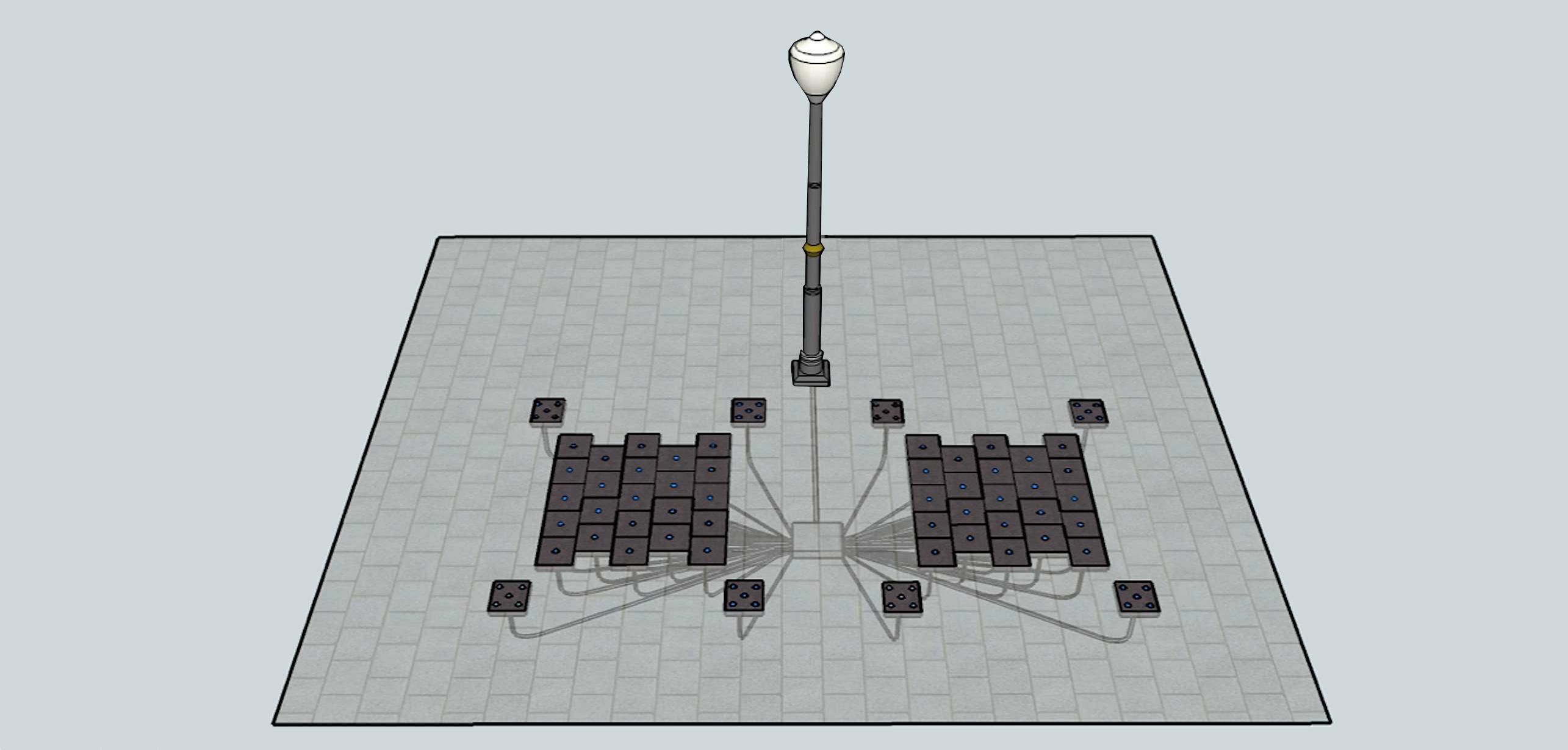
Nodes are installations embedded in the street where modified pavement can sense touch and emit light. One engages with Go For It by calling a unique toll-free number at a node location.One can then engage in different modes of the game, depending on the number of players (1 or 2 players per node) or the type of play (emulation or competition). The game play follows the rhythm of the lights on the pavement, rhythm also presented to the player by music streamed to his/her cellphone. By stepping on tempo with the lights, the player passes levels of mastery.
Upon reaching advanced mastery, moving upward in the game is done by playing on other nodes located around the city.Go For It is an open-ended game. There isn’t an end goal or final level but rather dynamic groups of players trying to out master each other, moving from node to node. Once all nodes have been played, players gain the capacity to edit a combination music/steps/node to propose new games and augment player-ship with authorship.
Game physicality and algorithmicity
Go For It is a representation in the public realm of an algorithm with a particular goal: reconnecting dwellers of the neighborhood with the public assemblies, long deserted and rendered dangerous or adverse. The algorithm is politically programmatic in that it clearly states the presence of youth in the street as positive. It modifies the perception of ‘hanging out’ by promoting the showmanship of one’s body at work. Using the light of the modified pavement, the players are highlighted as much as the place is lit, permitting a spectatorship with a sense of safety.
Go For It is distributed nature with its nodes in different location of the city, promoting mobility intra and extra neighborhood, demanding to move to other places in order to level up in the game.Decompartmentalization is inherent as the choice of the next node to play and the music played is algorithmically decided to be the most diversifying possible.
By allowing the creation of curated levels by players within the game, as well as the use of locally produced music as rhythmic base, Go For It aims at becoming the repertoire of a place in motion. A tool that can be used by people to shape as it shapes them: towards a valued sense of self.
In Situ Structure and scale
Go For It emerged from 2 key aspects of its context: an infrastructure plasticity and an existing street dance movement: The city of Rotterdam is built on sand. Digging, modifying and changing elements of the infrastructure underground is usually done without mechanical tools.
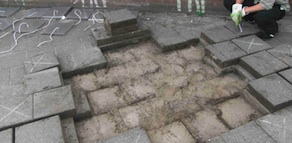
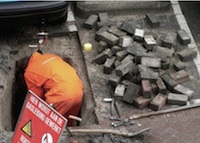
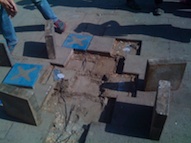
This malleability reflects itself in the methods and materials covering the street: concrete tiles are laid directly on the ground without joint, allowing for a quick removal of these light tiles by hand. Furthermore, tiles are slightly larger than a foot enabling the coverage of large surfaces with few elements, mixing modularity with scalability, making it akin to a medium. Inhabitants are used to see their tiles moved and modified in shape, color or placement. This is why Go For It intertwine with this existing fabric, making the common new while keeping the new familiar.
The game is located in Feyenoord, a neighborhood of Rotterdam where Dockers and blue collar workers lived. Today, it is the center of Rotterdam’s urban culture: Steppers and stompers as well as parkour adepts dominate creative moving in the city. Stepping was an operator between the physicality of the city and the activity of its dwellers, two experiences previously disjointed that the game brought together.
It was the occasion for the inhabitants to engage, discuss, negotiate their contributions to the game via movements culturally formed, music from different backgrounds and ultimately the public identity of their place. Go For It was made by a local material and local cultures towards a rewired identity, a sense of the value of its hybridity and its power.
Partners
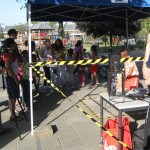
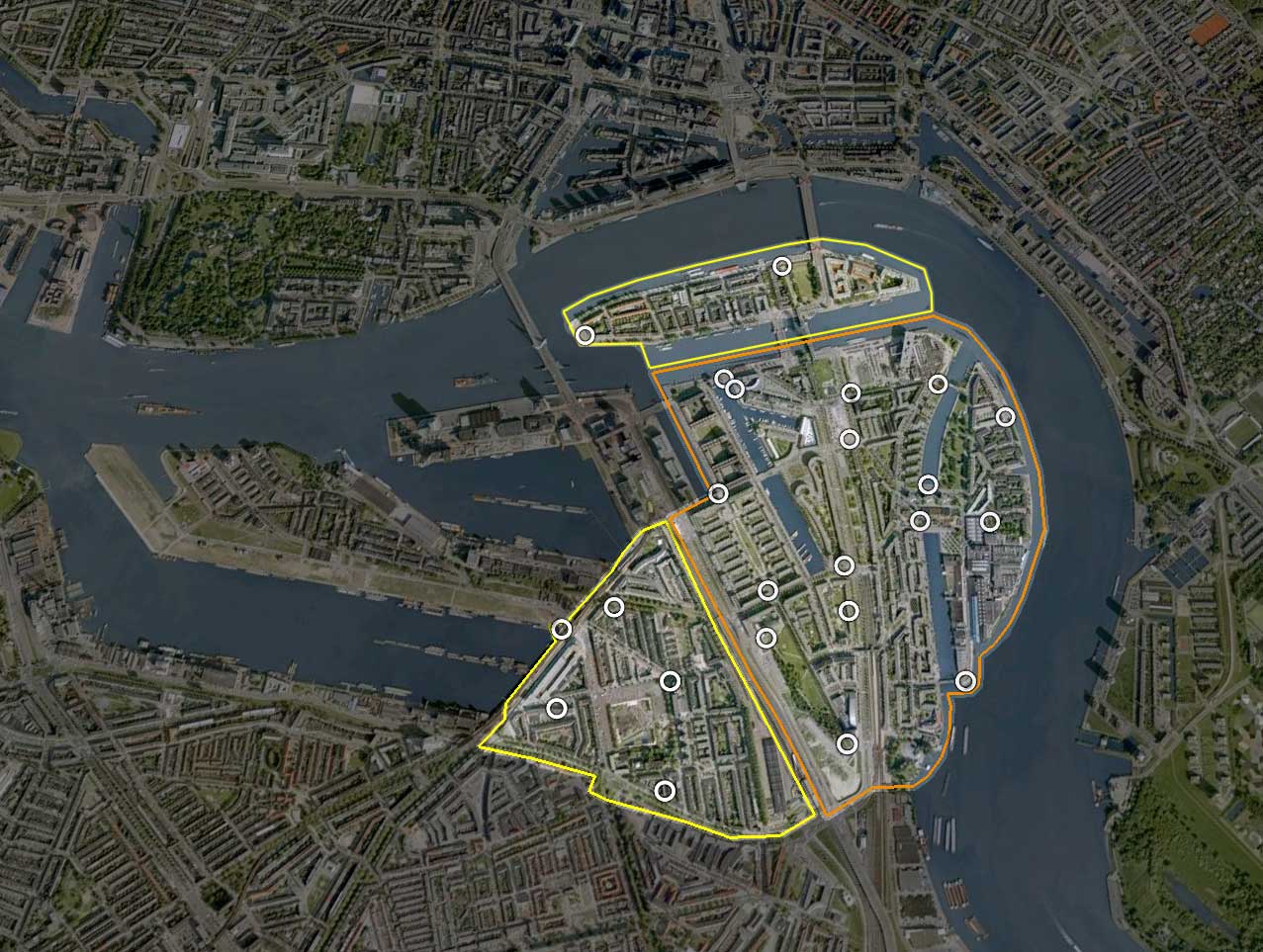
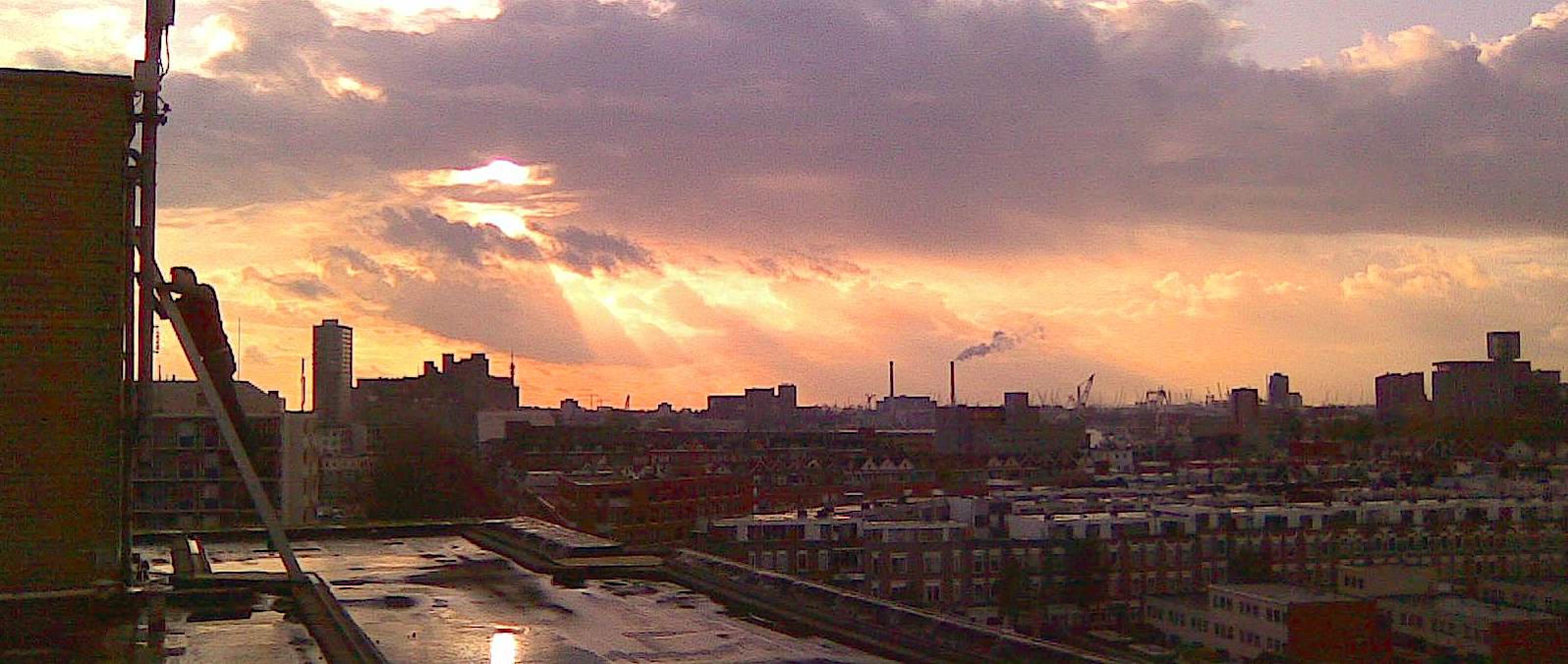
Go For It was proposed for the 2009 European youth capital initiative in Rotterdam and was built across 11 months by a collective joining Artists and inhabitants of Feyenoord. By the end of its prototyping phase, 4 nodes for the game were installed in the pavement (with potential for an extension to 23 nodes) a special tile was designed and manufactured with a local tile company, a wireless network was created on the rooftops of the city with the help of the public housing of Feyenoord, and a local telecom startup was providing the free phone line to call the game.